
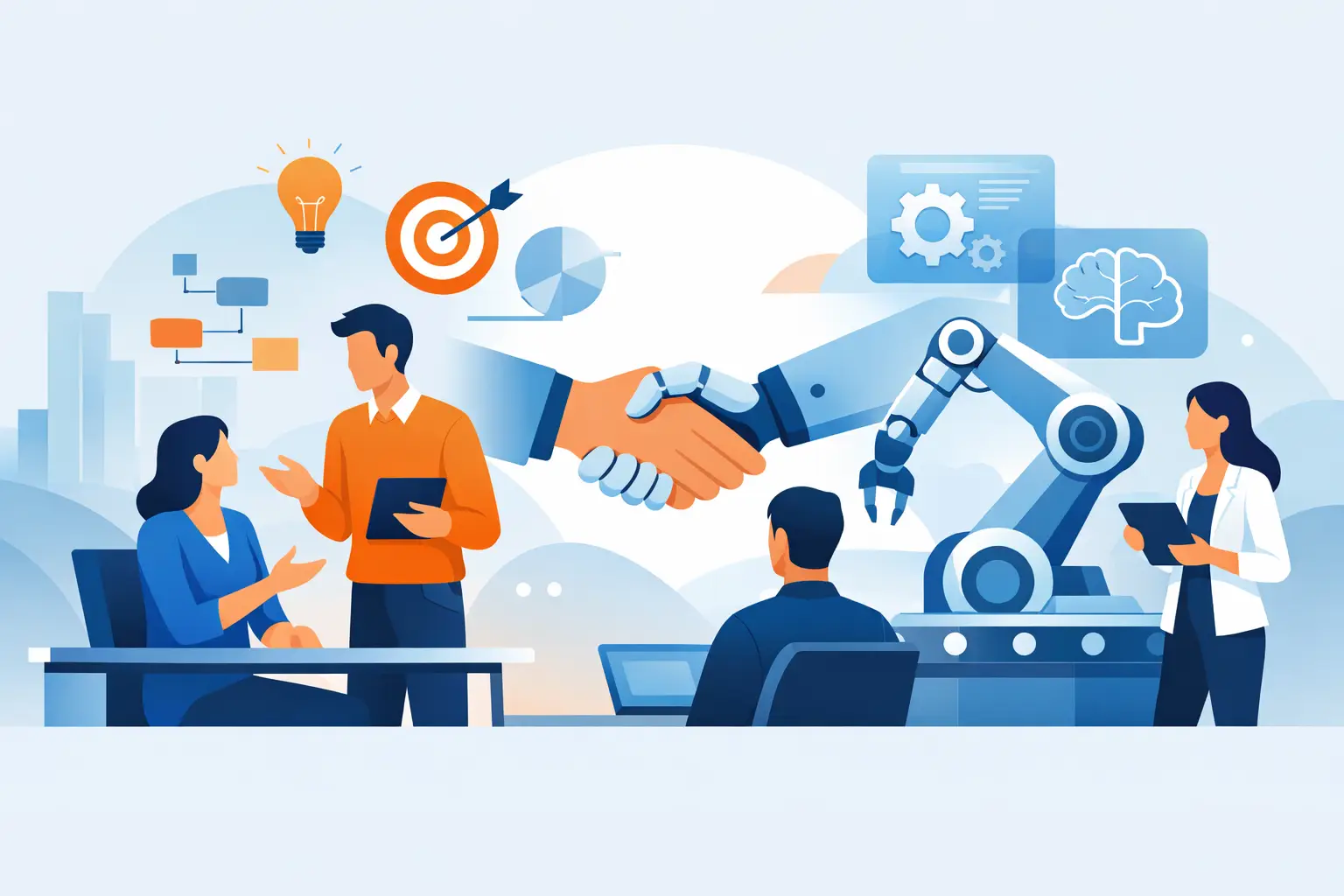
A spreadsheet can reconcile numbers in seconds. An AI assistant can draft an email, summarize a meeting, or generate a first-pass marketing plan before your morning coffee cools. But neither one can decide what truly matters to a customer, earn the trust of a frustrated team, or take responsibility for a hard decision when the stakes are real.
That is why the top human skills in automation are not a consolation prize for people who are not technical. They are the foundation of career resilience. As machines take on more repeatable work, the value of human judgment, initiative, leadership, and connection rises. The future does not belong only to programmers or executives. It belongs to people who can use technology well while bringing the qualities technology cannot manufacture.
Automation will change job descriptions, business models, and expectations. It will also create a powerful opening for Americans willing to build the right capabilities. The question is no longer whether AI will affect your work. The better question is: What can you become so valuable at that automation makes your contribution stronger, not smaller?
Why Human Skills Matter More as Automation Grows
Automation is exceptionally good at speed, pattern recognition, consistency, and processing large volumes of information. Those strengths can remove tedious tasks and help small teams accomplish more. For a small business owner, that might mean faster customer follow-up. For an accountant, it may mean less time organizing transactions. For a manager, it could mean clearer reporting and faster planning.
But efficient output is not the same as wise action. AI can produce options, yet people must define the goal, weigh competing priorities, recognize what is missing, and live with the consequences of a decision. A system may identify that customer service calls are taking longer. A capable leader asks whether the real issue is a confusing product, an understaffed team, or a customer base that feels unheard.
That distinction matters. The professionals who advance will not simply compete against automation. They will become the people who direct it, question it, improve it, and turn its output into results that matter to other people.
The Top Human Skills in Automation
Judgment and critical thinking
Critical thinking is the ability to look beyond the first answer. It means asking whether information is accurate, whether a recommendation fits the situation, and what unintended consequences may follow. This is essential because AI can sound confident while being incomplete, outdated, or simply wrong.
Developing judgment does not require becoming cynical about technology. It requires becoming more responsible with it. When an AI tool gives you a recommendation, examine the assumptions behind it. Compare it with real-world experience. Ask what data the system did not see. The person who verifies, interprets, and decides will be far more valuable than the person who copies and pastes.
Communication that creates clarity
Clear communication has always created opportunity. In an automated workplace, it becomes even more valuable because people must translate between technology, customers, coworkers, and leadership. A great idea has limited value if no one understands the problem it solves or knows what to do next.
This includes writing concise emails, explaining complex topics in plain English, listening carefully, and giving useful feedback. It also means knowing your audience. A business owner does not need a technical lecture about AI. They need to know how it can reduce missed leads, save time, or improve customer experience without harming the personal service that built their reputation.
Communication is not just presentation. It is alignment. It helps people move in the same direction when change feels uncertain.
Emotional intelligence and trust
People do business with people they trust. Employees stay engaged when they feel respected. Customers remember how a company handled a mistake. These realities do not disappear because a chatbot can answer routine questions.
Emotional intelligence is the ability to recognize emotions in yourself and others, then respond constructively. It shows up when a manager delivers difficult feedback without humiliating someone. It shows up when a sales professional hears the concern beneath a prospect's objection. It shows up when a colleague sees that a teammate needs support before burnout becomes a resignation.
Automation can help organizations operate faster, but it cannot replace genuine human care. In fact, as more interactions become automated, authentic attention may become a stronger competitive advantage. Use technology for routine steps so you can be more present in the moments where trust is earned.
Adaptability and learning agility
The old career model promised stability through specialization alone. The new model rewards people who can learn, adjust, and apply their knowledge in changing conditions. That does not mean chasing every new app or headline. It means building the confidence to learn what is relevant and let go of processes that no longer serve the work.
Learning agility is practical. A project manager may learn how to use AI to draft project updates, then spend more time resolving risks across teams. A marketer may automate basic research but strengthen their ability to understand audience needs and brand positioning. A trades business owner may use scheduling software more effectively while continuing to build the reputation and relationships that bring referrals.
The trade-off is real: learning takes time, and not every tool is worth adopting. Choose technologies connected to a meaningful goal. Start with one recurring problem, test a solution, measure the outcome, and improve from there. Consistent progress beats frantic experimentation.
Creativity and problem framing
Many people think creativity belongs only to artists, writers, or designers. In reality, creativity is the ability to see possibilities where others see a fixed routine. It is finding a better way to serve a customer, redesigning a process, combining ideas from different fields, or asking a question no one else has asked.
AI can generate many options quickly. That can be useful, but options are not insight. Human creativity starts with problem framing: identifying the right challenge before rushing toward an answer. If sales are down, for example, the problem may not be weak advertising. It could be unclear positioning, an outdated offer, slow follow-up, or a market that has changed.
The strongest professionals use AI as a creative partner, not a substitute for thinking. They bring context, taste, lived experience, and a point of view. Those are the ingredients that turn generic output into meaningful work.
Ethical responsibility
As automated systems influence hiring, lending, healthcare, pricing, security, and customer communication, ethical judgment becomes a career skill. Someone has to ask whether a process is fair, whether private information is protected, and whether efficiency is being pursued at the expense of people.
Ethical responsibility is not an abstract concern reserved for large corporations. A local business using AI-generated customer messages must still make sure those messages are honest. A manager using automated performance data must still avoid treating employees as numbers. A professional handling sensitive information must know when convenience creates unacceptable risk.
Trust is hard to build and easy to lose. People who combine technological competence with strong principles will be the leaders organizations need.
How to Build These Skills While Using AI
The best way to strengthen human skills is not to avoid automation. It is to use it deliberately. Let AI handle a rough draft, then improve it with your own judgment. Use it to prepare for a difficult conversation, then bring empathy and active listening to the actual conversation. Ask it for ideas, then decide which ideas fit your values, customers, and goals.
You can also build a simple weekly practice. Choose one task you currently perform manually and explore whether automation can reduce the routine portion. Then use the time you save on a human activity: meeting a customer, mentoring a colleague, learning a new skill, improving a process, or thinking strategically about your next opportunity.
This is the mindset at the center of a modern American Dream. Hard work still matters, but hard work now includes learning how to direct powerful tools. Ambition still matters, but ambition must be paired with the willingness to evolve. Technology can expand what one person can accomplish, especially for those prepared to lead rather than merely react.
Your future value will not be measured only by what you can do faster than a machine. It will be measured by the problems you can understand, the people you can inspire, and the responsibility you bring when progress requires a human hand.
